


Recently, Ken Paxton, the Attorney General of Texas, announced an investigation into Lululemon, alleging that some of its sportswear may contain perfluoroalkyl and polyfluoroalkyl substances (PFAS). These ‘forever chemicals’ have been linked in studies to health risks such as endocrine disruption, infertility and cancer. Lululemon responded by stating that prior to the 2023 financial year, PFAS were used only in a small number of waterproof products and had been phased out; currently, all products on sale in China comply with safety standards. The incident has attracted widespread attention.
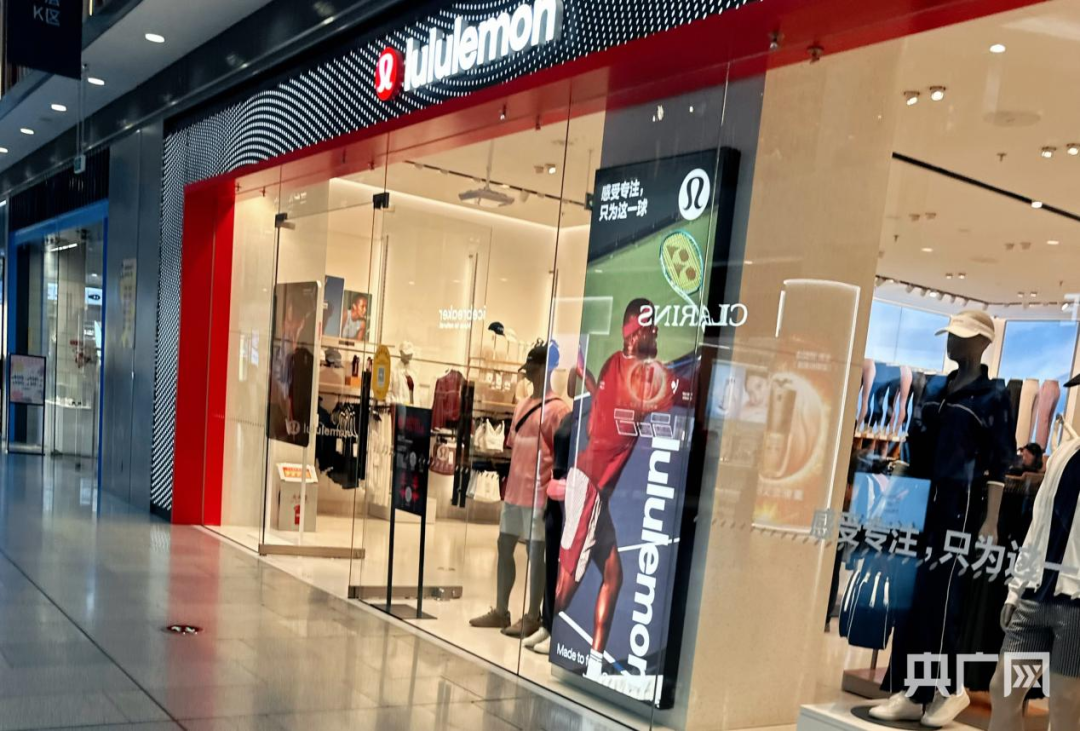
In response, lawyer Zhang Li from JAVY Law Firm was interviewed by China National Radio (CNR) and provided an in-depth analysis of the incident.
Can consumers access product test reports themselves?
A sales assistant at a Lululemon store in a Beijing shopping centre responded: “As far as I know, although there have been reports online, no corresponding reports have been produced, and the company will also carry out its own testing.” The sales assistant also stated that PFAS would only leach out in environments with “high temperatures of over 200 degrees Celsius”, adding that “it’s fine to wear them in the height of summer”.
Some consumers admitted that they had indeed seen related news reports previously but had not stopped buying the products, believing that “wearing one or two items shouldn’t be a problem”. Others, however, expressed some concern and hoped that scientific test reports would be provided.
Regarding this matter, lawyer Zhang Li stated that high-end sports brands whose core marketing narrative centres on ‘health’ and ‘sustainability’ would face legal scrutiny for infringing upon consumers’ right to know and potentially constituting fraud if their products actually contain perfluoroalkyl and polyfluoroalkyl substances (PFAS) without disclosing this to consumers.
Pursuant to Article 8 of the Consumer Rights Protection Law of the People’s Republic of China, consumers are legally entitled to know the true nature of the goods they purchase or the services they receive, particularly regarding information on the main components and performance of the goods. If a brand continues to emphasise “health” and “environmental friendliness” in its marketing whilst using PFAS without any disclosure, such conduct may be deemed a violation of consumers’ right to know. Furthermore, under Article 55 of the Consumer Rights Protection Law of the People’s Republic of China, if a business operator’s provision of goods is deemed fraudulent, consumers are entitled to claim additional compensation amounting to three times the price of the goods.
Consequently, if a brand knowingly guides consumer behaviour through misleading claims whilst its products contain PFAS, it may be held liable for fraud. The specific determination of liability requires a comprehensive assessment of factors including subjective intent, the content of the promotional claims, and the actual substance content. If a brand claims in its marketing to uphold “globally uniform environmental standards” or makes similar overarching commitments, yet in practice treats different markets differently, such inconsistency between words and deeds may constitute false advertising, damaging its commercial reputation and giving rise to legal risks. The protection of consumers’ health rights should not vary depending on the strictness of local regulation; whilst this principle is not a statutory obligation, it has become a key dimension in assessing corporate social responsibility.
© Beijing JAVY Law Firm Beijing ICP Registration No. 18018264-1


